
 LinguaVox
 ISO 9001
 ISO 17100
 ISO 18587
Valladolid is closely connected with Ribera del Duero, Rueda, Cigales and Toro, giving the province a particularly rich mix of grape varieties, styles, wineries and international commercial activity. Our translation agency in Valladolid can coordinate a single document or a complete multilingual set of winery material.
Wine sheets that inform and sell
A wine sheet combines objective information with commercial description. Grape variety, vineyard, vinification, ageing, alcohol content and serving information must remain precise; the tasting description needs to sound natural to the target reader without inventing aromas or qualities that are not in the source.
When a winery has several wines, translating the range as one project helps maintain consistent terminology for vineyards, ageing, fermentation and production while preserving the identity of each label.

Tasting notes without literal phrasing
Wine language is highly idiomatic. A phrase that works well in Spanish can sound awkward if transferred word for word into English or French. The translator needs to understand the conventions of tasting language while remaining faithful to the actual description.
For consumer-facing material, the tone may be more accessible. For importers, sommeliers or trade professionals, a higher level of technical detail may be appropriate. The audience should be established before the text is adapted.
Catalogues, presentations and distributor material
Importers and distributors often receive more than product sheets. Catalogues, corporate presentations, price lists, sales decks and fair material form part of the same commercial conversation. If these pieces are translated separately over time, product descriptions and process terminology can drift.
Translation memories and glossaries help wineries keep approved terms and recurring descriptions consistent from one campaign to the next.
Which languages do wine importers use?
There is no single answer: it depends on where the winery sells. English often works as an international business language, but a winery may need French, German, Portuguese, Chinese or another language to communicate effectively with a particular market.
We can translate your winery documentation into the languages used by your overseas customers and organise the versions from a common source set. For English, see our English-Spanish translation service; for wider multilingual projects, use the languages we translate.
Labels, back labels and export documentation
Labels have different constraints from catalogues and websites. Space is limited, product information may be regulated and the target market may impose specific requirements. Our wine export and labelling translation service deals specifically with these market-dependent materials.
LinguaVox handles the linguistic work. The winery, importer or regulatory adviser should confirm what information is legally required in the destination market.
Wine tourism and visitor communication
A winery website may combine shop content, bookings, tours, restaurant information and the history of the estate. This calls for a more visitor-centred style than a technical sheet. Our wine tourism and marketing translation covers booking flows, visitor information, guided-tour material and direct-to-consumer communication.
Meetings with importers and professional visitors
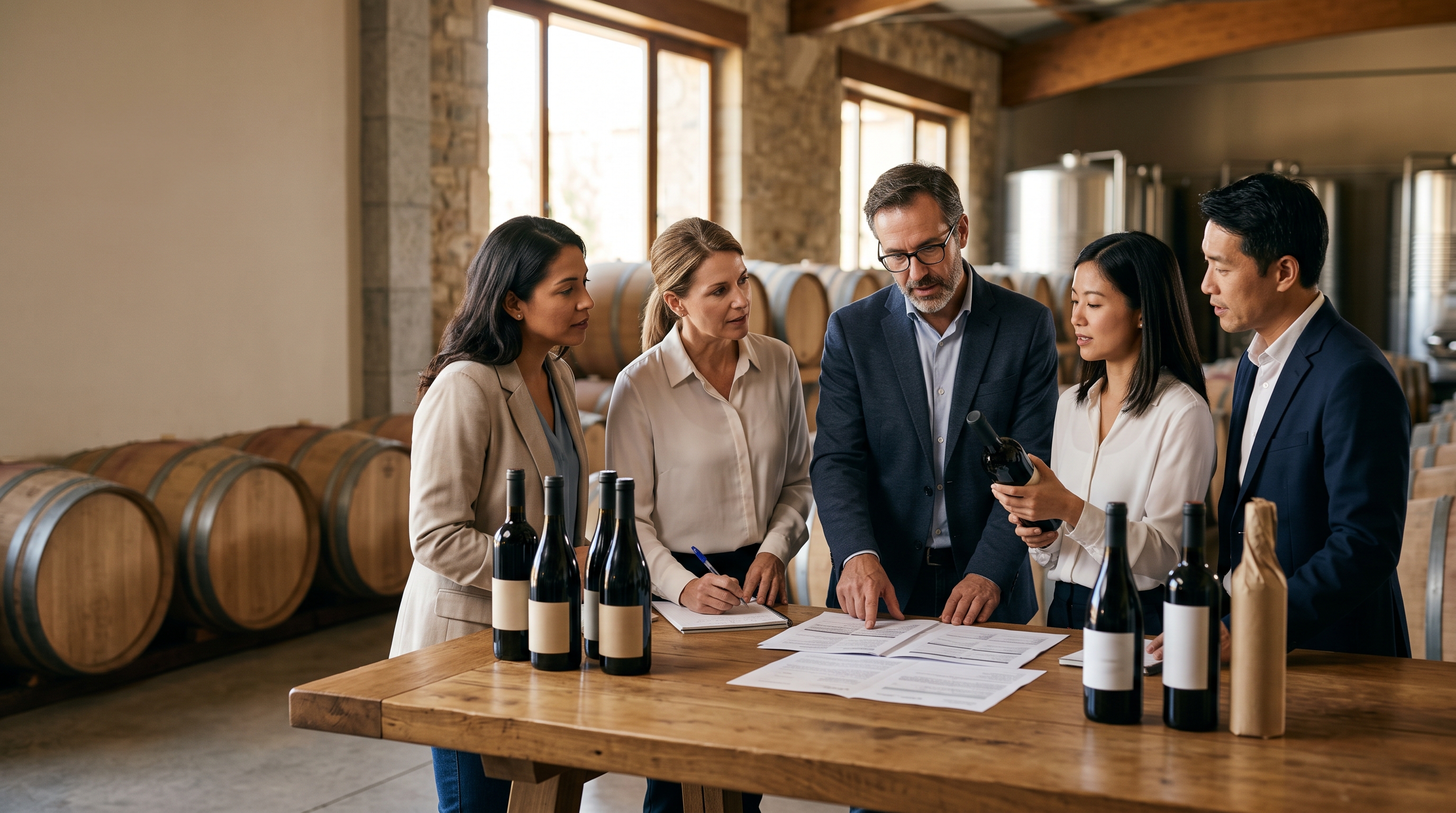
Written translation can be combined with interpreting in Valladolid for meetings, tastings, winery visits and presentations. Providing the interpreter with product sheets, wine names and key terminology in advance helps maintain consistency between the written and spoken parts of the project.
A winery's own voice still matters
A family estate, a cooperative, a high-end producer and a large exporter may describe wine in very different ways. Translation should respect that voice instead of flattening every winery into the same polished marketing style.
Send us the files, target languages and intended markets. We will review the material and confirm the most suitable workflow through our Valladolid translation services team.
Keeping technical and commercial content connected
The same wine can appear in a laboratory-style technical sheet, an importer presentation and a consumer-facing product page. Those texts should not sound identical, but the underlying facts and terminology must agree. We can use shared reference material so that grape varieties, ageing, vineyard names and production details remain consistent while the tone changes for each audience.
Frequently asked questions
Do you translate tasting notes and wine sheets?
Yes. We translate both objective technical information and sensory descriptions. Previous approved translations, terminology lists and examples of the winery's preferred tone are useful for maintaining continuity across a range.
Can you translate labels and back labels?
Yes. We need to know the target language, market and available layout where possible. The winery or its regulatory adviser should confirm the legally required content for the destination market.
Can you translate a complete winery website?
Yes. We can handle corporate pages, wine descriptions, e-commerce content, booking information and wine-tourism material. It is useful to decide in advance which pages are required in each language.
Will you translate wine names and brand names?
Not automatically. Product names, registered brands, vineyard names and denominations are kept or adapted according to the winery's instructions and the conventions of the target market.
Can you provide interpreters for importer meetings?
Yes. We can arrange interpreting for trade meetings, tastings and winery visits, subject to the language and date. Advance access to wine sheets and terminology helps the interpreter prepare properly.