

 LinguaVox
 ISO 9001
 ISO 17100
 ISO 18587
For trade-facing winery documents, see our wine translation service. The material covered here is aimed at people who visit, book, taste and buy, so the language needs to work for guests and consumers rather than importers alone.
Winery websites
A winery website can contain a corporate story, wine portfolio, online shop, restaurant, accommodation, booking system and visitor information. The English or French version should feel complete within the scope chosen for that language.
A word-for-word translation of Spanish marketing prose often sounds heavy in English. Headings, calls to action and sentence structure need to be rewritten naturally while keeping the facts, claims and brand positioning faithful to the source.
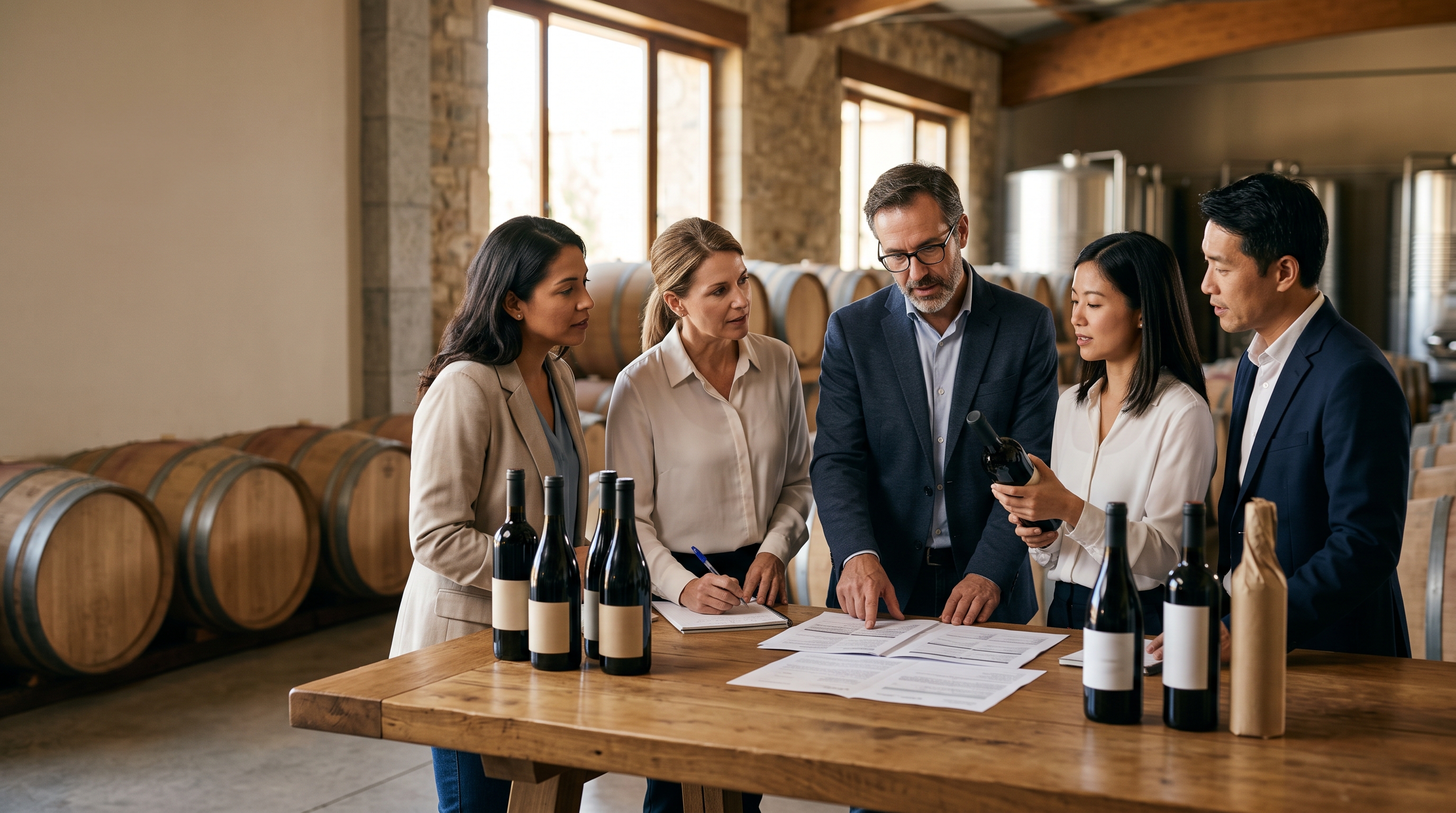
Booking flows and practical information
Opening hours, duration, cancellation conditions, age limits, accessibility, meeting points and language availability need exceptional clarity. A poetic description cannot compensate for an unclear instruction about where a visitor must go or when to arrive.
We therefore treat booking and operational content differently from brand storytelling. Automated emails, confirmation messages and cancellation notices should also be included when they form part of the visitor journey.
Guided-tour scripts and tasting material
Tours may use guide scripts, tasting sheets, presentation slides, printed cards or digital content. The language can be accessible to a general visitor without oversimplifying the winemaking process.
For a professional audience such as importers, journalists or sommeliers, the same subject may require much more technical terminology. Establishing the audience first avoids a translation that is either too basic or unnecessarily specialised.
History, place and denomination names
Wineries often build their identity around estates, villages, vineyards, family history and protected names. Toponyms, wine names, denominations and vineyard names should not be translated automatically.
We follow the winery's naming conventions and, where necessary, prepare a terminology list so that the same names appear consistently across the website, tour material and sales documents.
International marketing
Newsletters, campaign pages, social content, press material and fair presentations need a more flexible tone than a technical sheet. Adaptation can improve readability and commercial impact, but it must not invent awards, claims, product characteristics or visitor experiences that are not in the source.
When marketing material is connected with overseas sales, we coordinate it with wine export and labelling translation so that product terminology remains consistent.
Valladolid as an international wine-tourism meeting point
Valladolid hosts professional wine-tourism activity with an international audience, making visitor communication and business communication increasingly interconnected. Wineries may need both consumer-facing content and material for tour operators, travel professionals or overseas partners.
For face-to-face meetings, tastings or professional visits, we can also arrange interpreting in Valladolid.
Which language versions should a winery publish?
A full English version may make sense for many wineries, while another language may only need the wine portfolio, booking pages and contact information. There is no benefit in reproducing every Spanish URL if half the translated pages are incomplete or irrelevant to that market.
Our languages we translate can help plan other target languages, while the English-Spanish translation service is the natural starting point for an English-language winery site.
Keeping content current
Visitor information changes more often than many technical documents. Prices, opening times, experiences and seasonal offers need version control so that old translations do not remain live after the Spanish source has changed.
For ongoing websites, we recommend a clear update process rather than a one-off translation that is never revisited.
Send us the content or files you want to translate, together with the target languages and intended audience. Our Valladolid translation team will confirm the most suitable scope.
From the booking page to the follow-up email
The visitor's experience continues beyond the main website. Confirmation emails, practical arrival instructions, cancellation messages, tasting sheets and post-visit communications should use the same tone and terminology as the booking page. Translating that small supporting content often makes the international version feel far more complete than translating only the promotional pages.
Frequently asked questions
Can you translate an online booking system for winery visits?
Yes. We can translate booking pages, confirmation messages, cancellation notices and other visitor-facing text where the content can be exported or otherwise supplied in a workable format.
Do you translate guided-tour scripts?
Yes. We can work with full scripts, guide notes, tasting material and presentations. The level of technical detail should reflect whether the audience is general visitors, wine enthusiasts or trade professionals.
Can you translate tasting notes for tourists?
Yes. Consumer-facing tasting notes can be made more accessible than trade material while preserving the actual aromas, production information and characteristics stated by the winery.
Can you provide interpreters for international winery visits?
Yes, subject to language and date availability. Advance access to the wines, agenda and terminology helps the interpreter prepare for professional meetings and tastings.
Do we need to translate the entire website into every language?
No. A smaller but complete section can be more useful than a full menu with missing or untranslated pages. The right scope depends on the visitors and markets the winery actually wants to reach.